confident enough to
confident enough to
Project Brief
Product Lynx deodorant
Lynx
SMP Lynx gives you the self-confidence to be your best
Mandatories Lynx logo, product shot
Background The Lynx brand was built on ‘blokey’ advertisements that could today be considered sexist or shallow. The Lynx brand has made a strategic pivot away from sexually-loaded approaches to focus on the self-confidence. An association between the Lynx brand and being confident in life more generally is also strategically important.

Target Audience Males aged 15 to 25 and their parents (who often purchase deodorant or body spray on their behalf)
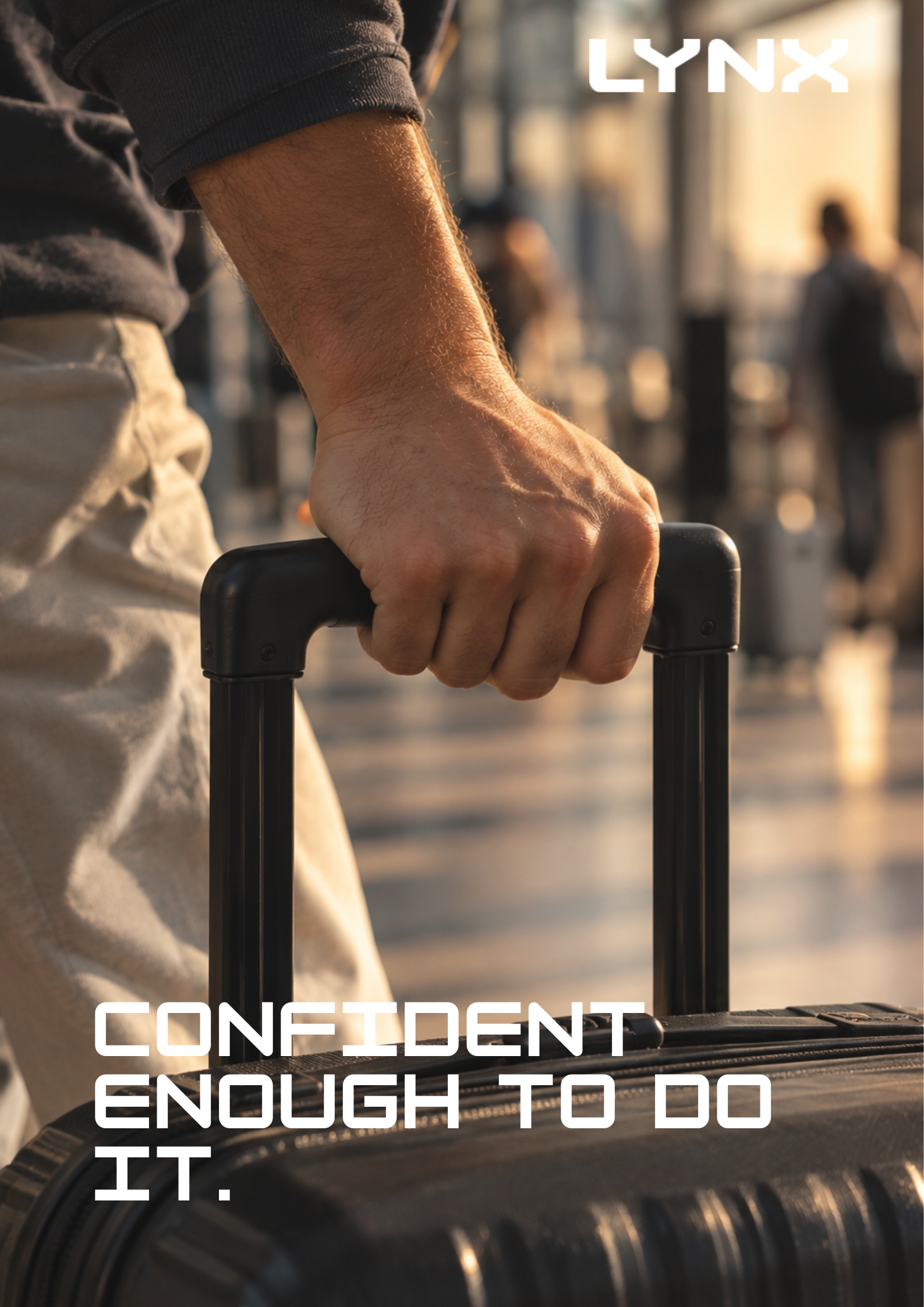

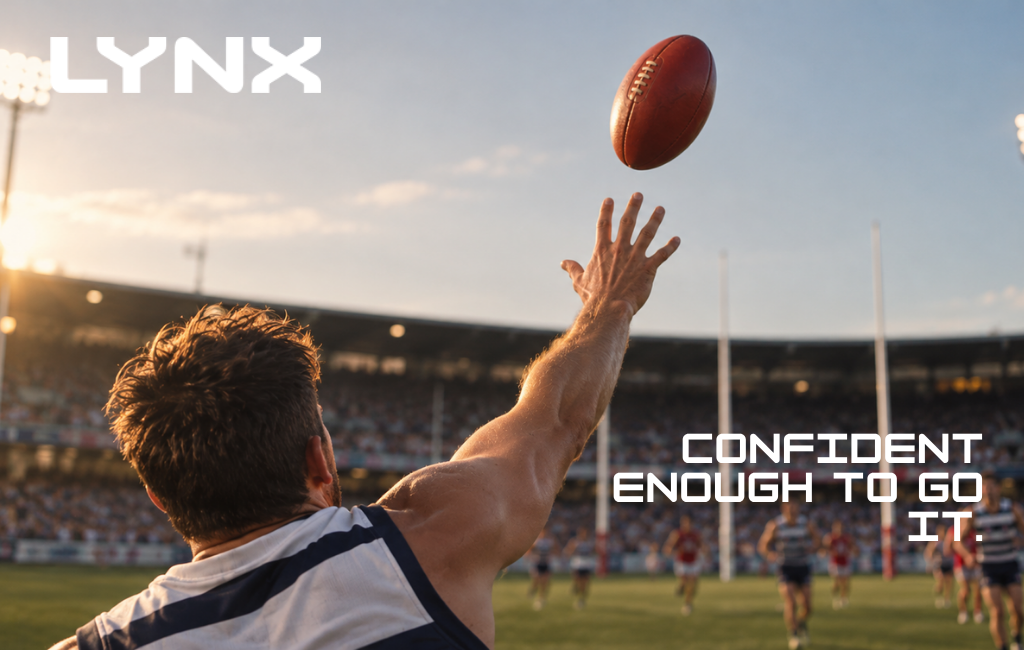
Rationale
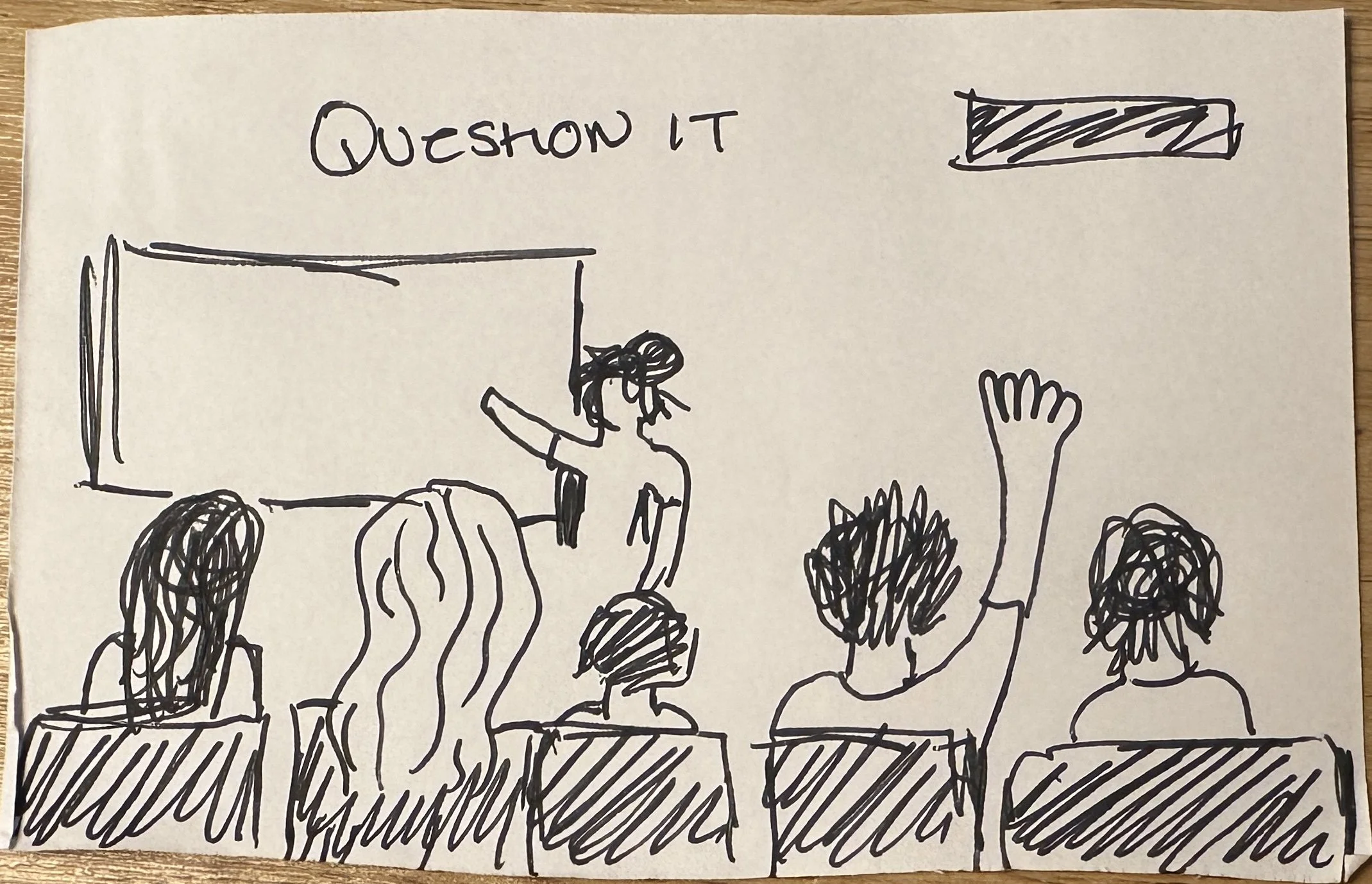
This campaign redefines confidence for Lynx, moving it away from being loud, performative or about impressing others. Instead, confidence is shown through the small, everyday moments that communicate believing in yourself and becoming more independent. Each execution begins with Confident enough to…, while the visual completes the sentence, whether that’s confident enough to question it or confident enough to do it. By leaving part of the message to the image, the campaign creates a feeling that extends across different moments in a young person’s life.
Ideation
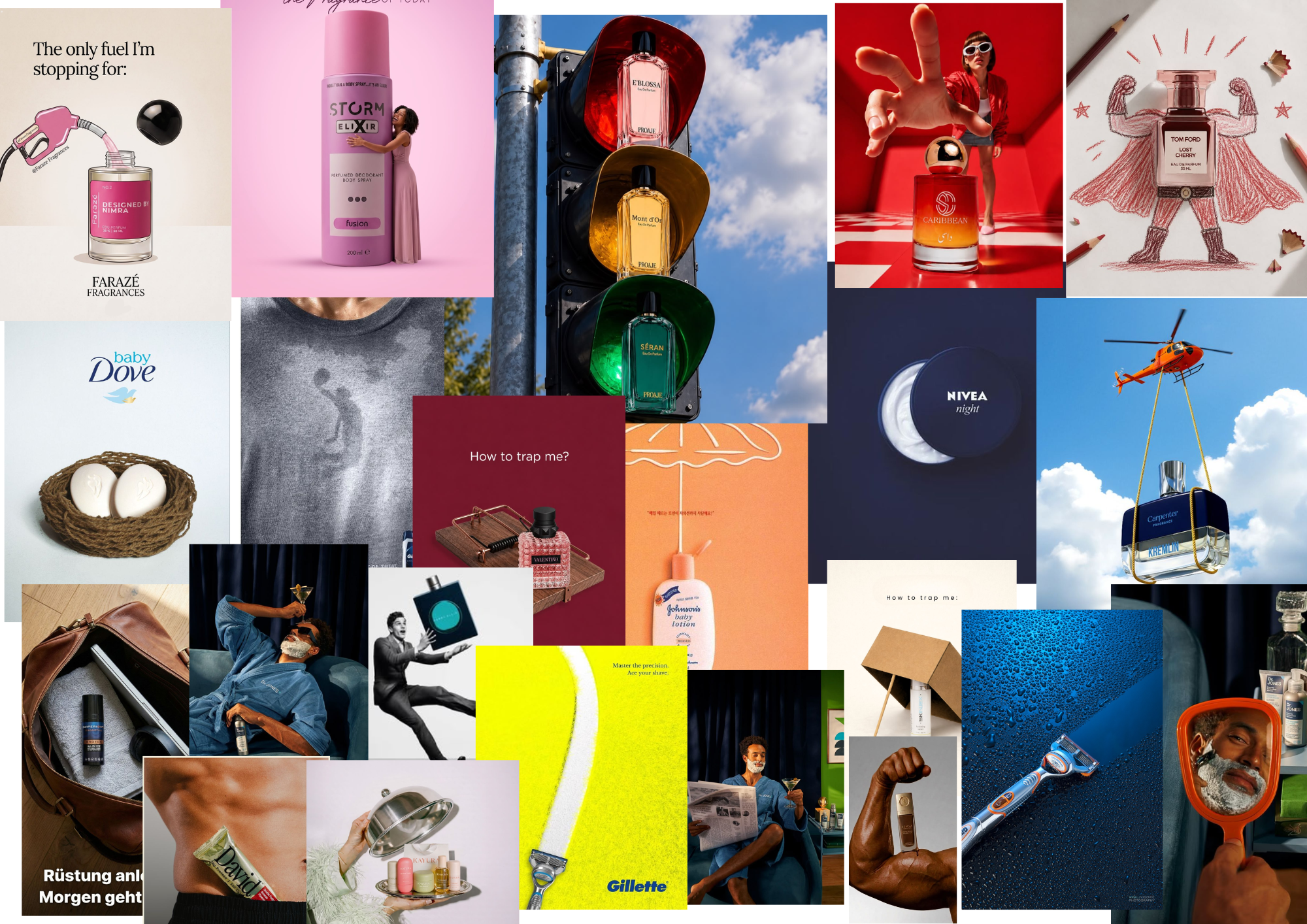
To shift away from Lynx's traditional "blokey" positioning, I went straight to the audience the brand is trying to reach. I asked my 15-year-old brother where he feels confident, and he said he felt confident everyday. I then asked my mum what she hoped he'd grow to be confident in, and she said she wanted him to believe in himself and become more independent. Together, I used their answers to build a campaign centered around confidence in everyday life, rather than the performative confidence Lynx has sold in the past. This led me to the big idea ‘confident enough…’. I focused on ordinary moments of confidence, letting the visual complete the tagline and keep the campaign cohesive.
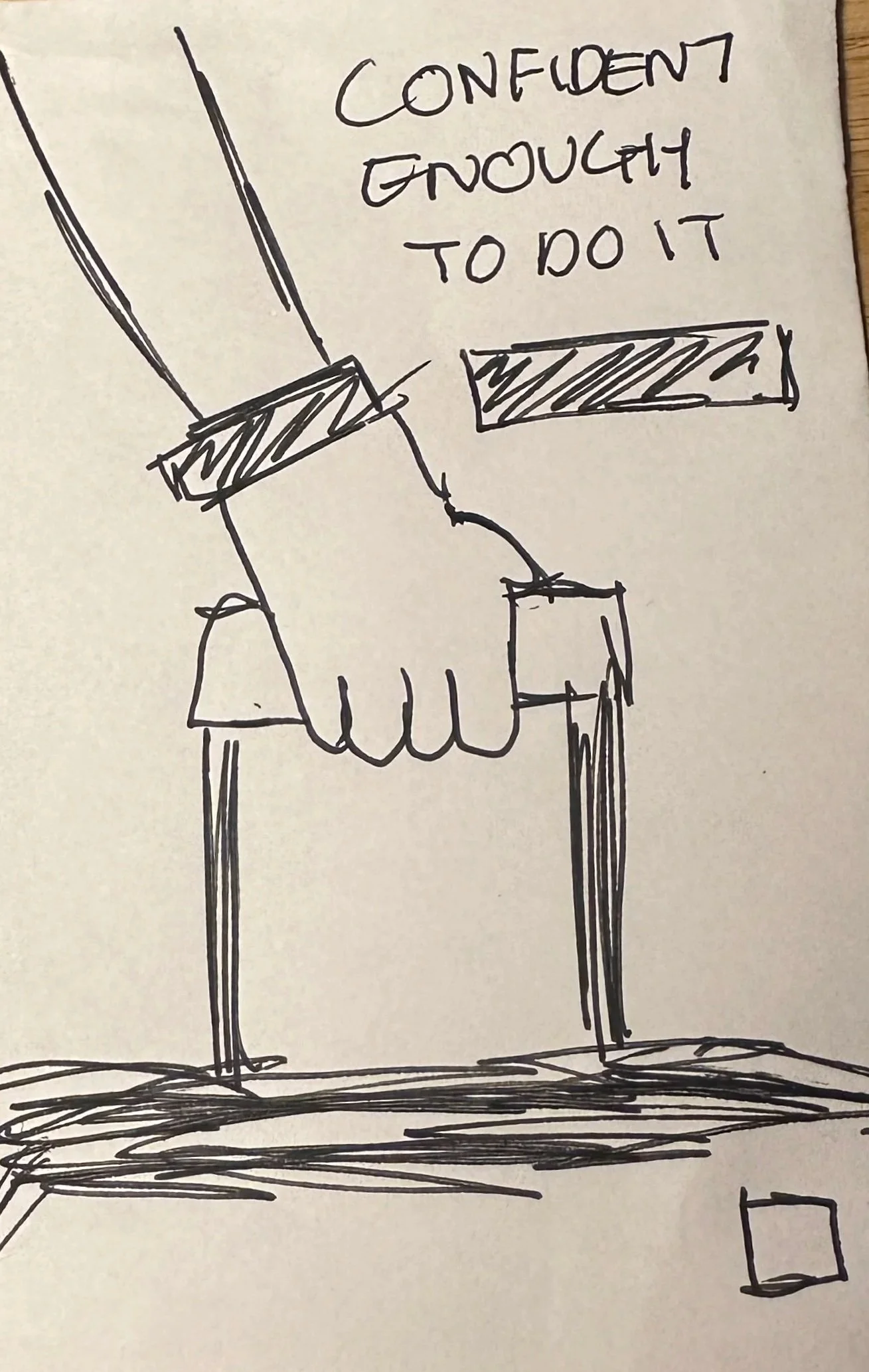
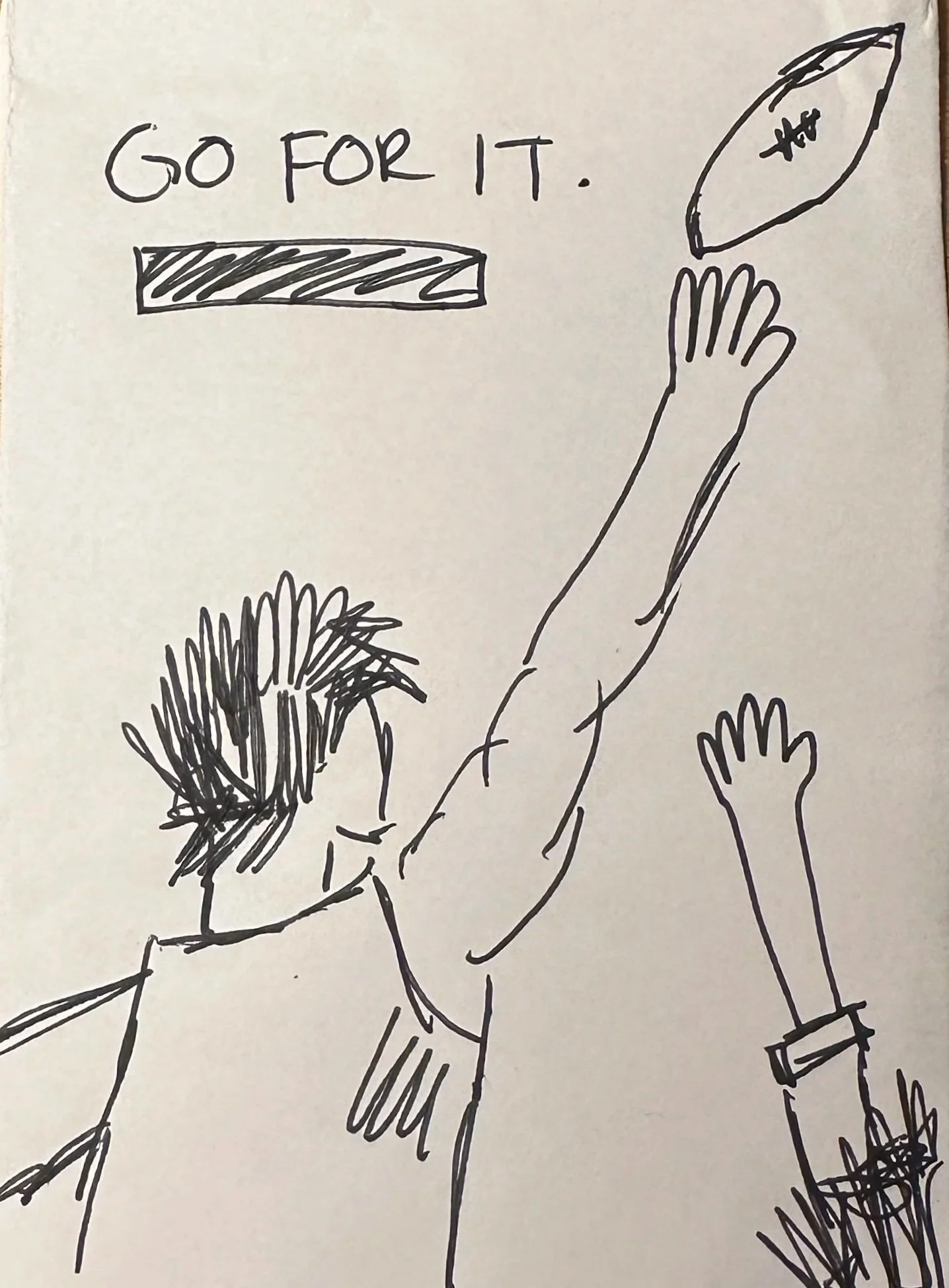
AI declaration
AI tools were used to bring the visual execution of my work to life. All concepts and creative direction were independently developed by Darci Evans.